



Kimera

Home > Blogs >12 Swedish massage benefits You Should Know 

12 Swedish massage benefits You Should Know

Did you know that more than 1 in 4 adults experience chronic muscle pain or stiffness every single week, yet most of them rely only on painkillers or quick fixes?

A lot of people don’t realize that a simple, well-executed Swedish massage can address the root of that discomfort rather than just mask it.

Now ask yourself this honestly.
Have you ever felt physically exhausted even on days when you barely moved? Or noticed that your shoulders feel tight the moment work pressure increases?

That’s your nervous system, locking your muscles into protection mode. This is where Swedish massage benefits become very practical and relaxing.

What Makes Swedish Massage Different

Before understanding the benefits, it is important to understand what sets Swedish massage apart.

This technique focuses on long, controlled strokes, gentle kneading, rhythmic tapping, and even slow pressure that follows muscle direction and blood flow.

The goal is not to push pain limits but to restore your body’s normal muscle function and calm the nervous system.

Because of this, Swedish massage benefits people who sit for long hours, work physically demanding jobs, exercise regularly, or deal with stress-related tension.

Swedish massage benefits

1. Releases Neck and Shoulder Lock Caused by Screen Use

If you work on a laptop or phone for more than five hours a day, your upper trapezius muscles stay slightly contracted the entire time. Over time, this creates a dull, constant tightness.

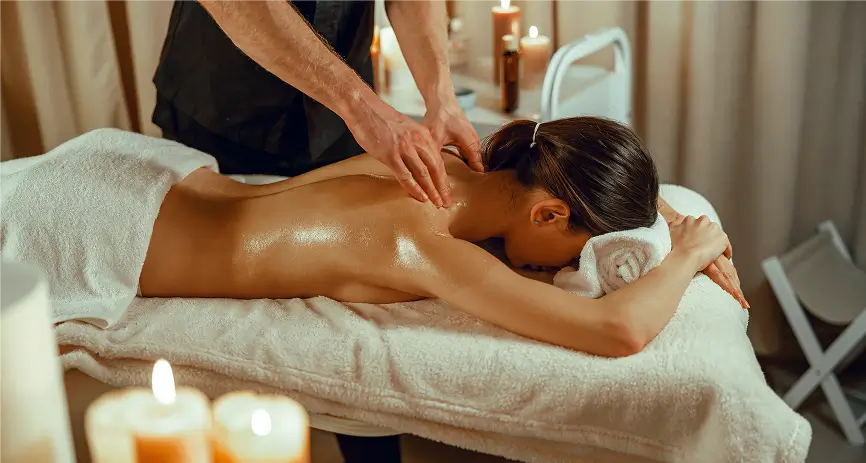
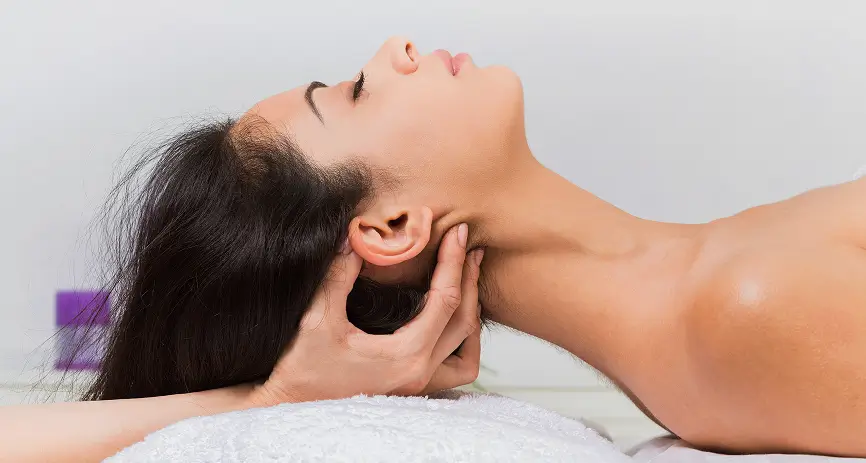
Swedish massage uses slow gliding strokes along the neck and shoulder fibers to restore normal muscle length.

A very specific outcome people notice is this: turning the head while driving feels smoother, and the urge to roll shoulders every few minutes reduces.

Swedish massage benefits

2. Reduces Lower Back Fatigue from Prolonged Sitting

Lower back discomfort often comes from compressed muscles, not weak ones. When you sit too long, blood flow reduces and tissues stiffen.

Swedish massage increases circulation across the lumbar muscles and surrounding fascia.

People with desk jobs often report that after consistent sessions, they can sit longer without needing to stand or stretch constantly.

Does your lower back feel tight even on days you don’t “do anything”? That is exactly the kind of tension this technique targets.

3. Calms a Constantly Overstimulated Nervous System

Stress does not stay in the mind. It shows up as clenched jaws, shallow breathing, and tight shoulders. Swedish massage slows the nervous system by stimulating pressure receptors that tell the brain it is safe to relax.

A specific result many people notice is slower breathing, even hours after the session. Your body stops reacting to even the smallest triggers.

This is one of the most overlooked Swedish massage benefits because it changes how your body responds to stress on a daily basis.

4. Improves Sleep by Reducing Physical Restlessness

If you toss and turn at night, it is often because muscles do not fully relax. Swedish massage reduces muscle guarding, especially in the hips, shoulders, and lower back.

People who wake up feeling tired despite sleeping eight hours often notice deeper sleep and fewer night awakenings after regular massage.

Here is one of the important and clear indicators of waking up without that “heavy body” feeling.

5. Reduces Tension Headaches at the Source

Tension headaches are commonly linked to tight neck extensors and shoulder muscles pulling on the scalp.

Swedish massage addresses these areas with controlled pressure, improving blood flow and reducing nerve compression.

People who experience screen-related headaches often see fewer episodes, not because the head is massaged, but because the root tension is released.

6. Improves Hip Mobility Without Aggressive Stretching

Sitting shortens hip flexor muscles. Over time, this affects walking, standing posture, and lower back comfort.

Swedish massage relaxes these muscles gradually.
People notice they stand more upright and walking feels less stiff, especially after long sitting periods.

This benefit is especially noticeable for people who feel tight when standing up from a chair.

7. Speeds Muscle Recovery After Workouts or Physical Labor

After physical activity, muscles need circulation and relaxation to recover properly. Swedish massage helps remove metabolic waste while improving nutrient flow.

A very specific outcome is reduced soreness duration. Instead of feeling stiff for two or three days, recovery shortens noticeably.

This applies equally to gym workouts and physically demanding jobs.

8. Reduces Swelling Caused by Fluid Retention

Swedish massage supports lymphatic movement through light rhythmic strokes. This helps reduce mild swelling, especially in the legs and ankles. People who travel often or stand for long hours notice reduced puffiness and a lighter feeling in the legs.This is not detox hype; it is one of the mechanical fluid movements.

9. Improves Emotional Stability Through Physical Regulation

Touch affects the nervous system directly. Swedish massage increases serotonin and dopamine levels, which help balance mood.

People dealing with mental fatigue often report feeling emotionally steadier, not euphoric, just more balanced.

Here is a self-statement many people make after sessions: “I feel less reactive.” That is nervous system regulation in action.

10. Reduces Dependence on Pain Medication

When muscle tension decreases and circulation improves, pain signals naturally decrease.

People with recurring back or neck discomfort often notice they reach for painkillers less frequently once massage becomes routine.

This is one of the most practical benefits of Swedish massage for long-term body care

11. Improves Posture by Releasing Muscle Imbalances

Poor posture is often caused by tight muscles pulling the body out of alignment. Swedish massage releases those dominant muscles.

People often notice they sit straighter without consciously correcting their posture. The body simply finds a more balanced position.

12. Builds Long-Term Resilience with Consistency

Here is an honest self-reflection. One session feels good. Consistency shapes how your body responds to stress.

Over time, muscles relax faster, stress responses soften, and recovery becomes easier. This is wherethe Swedish massage benefits compound.

How Swedish Massage Shows Results in Daily Life

Everyday ProblemSpecific Result
Desk job stiffnessEasier neck movement, less back fatigue
Stress overloadSlower breathing, calmer reactions
Sleep issuesDeeper, uninterrupted sleep
Workout sorenessFaster recovery
HeadachesReduced frequency

Conclusion

There is a simple truth worth remembering: “Your body keeps the score of everything your mind pushes through.”
Swedish massage is about restoring how your muscles and nervous system are meant to function in a body that is constantly under stress.

That feeling of being tired even after rest isn’t weakness. It’s built-up tension your body hasn’t had the chance to release.

With the right approach and consistency, Swedish massage helps your body relax, recover, and move better day after day. At Kimera, the focus is on thoughtful, intentional care that supports real recovery, not quick relief. When your body feels balanced again, everything else starts to feel easier, too.

Disclaimer: Every treatment or procedure suggested on this blog may vary from guest to guest, as each person’s hair and skin are unique and may respond differently. Book an appointment at our salon for a free consultation before proceeding with any treatment or procedure.

FAQs

Is Swedish massage effective even if I don’t exercise?

Yes. It’s especially effective for posture-related tension caused by sitting, stress, or repetitive movements.

Relaxation is immediate. Structural benefits like reduced stiffness appear after 2-3 consistent sessions.

Yes. It directly calms the nervous system, which reduces physical anxiety symptoms.

For stress and daily tension, Swedish massage is often more effective because it doesn’t trigger muscle guarding

Once every one to two weeks works well for most people dealing with stress or posture-related discomfort.

Related Blogs

Types of Pedicures for Nail and Cuticle Care

Types of Pedicures for Nail and Cuticle Care 

Have you ever looked down at your feet and thought, “I moisturize, I trim my nails… so why do they still look tired?”

Feet are often the most neglected part of body care, even though they handle thousands of steps every single day. Problems like dry cuticles, rough heels, and uneven nails don’t happen overnight.

Read More »
Scroll to Top
Book an Appointment