



Kimera

Home > Blogs > Types of Pedicures for Nail and Cuticle Care

Types of Pedicures for Nail and Cuticle Care

Have you ever looked down at your feet and thought, “I moisturize, I trim my nails… so why do they still look tired?”

Feet are often the most neglected part of body care, even though they handle thousands of steps every single day. Problems like dry cuticles, rough heels, and uneven nails don’t happen overnight.

They are the result of your daily pressure, friction, and skipped care.

The good news? The right pedicure makes your feet look good and restores nail health, repairs cuticles, and prevents long-term damage.

But here is where most people go wrong: they assume all pedicures do the same thing. But they don’t. Different types of pedicures serve very different purposes. But which one is right for your feet? Let’s find out.

Why Nail and Cuticle Care Deserves More Attention

Before understanding the types of pedicures, it is always important to understand what is really happening to your nails and cuticles.

According to the American Podiatric Medical Association, the average person takes 8,000 to 10,000 steps per day. That is thousands of micro-impact moments stressing your nails, nail beds, and cuticles.

Cuticles act as protective seals. When they are dry or damaged, then your nails become brittle, hangnails increase, infection risk rises and even your nail growth slows.

A pedicure done correctly is the best and most effective preventative care.

1. Dry (Waterless) Pedicures

If you have extremely brittle nails or are prone to fungal infections, the traditional “soak” might actually be your enemy. When nails soak in water, they expand; when they dry, they shrink.And this constant expansion and contraction can lead to polish chipping and nail plate thinning.

Why it works

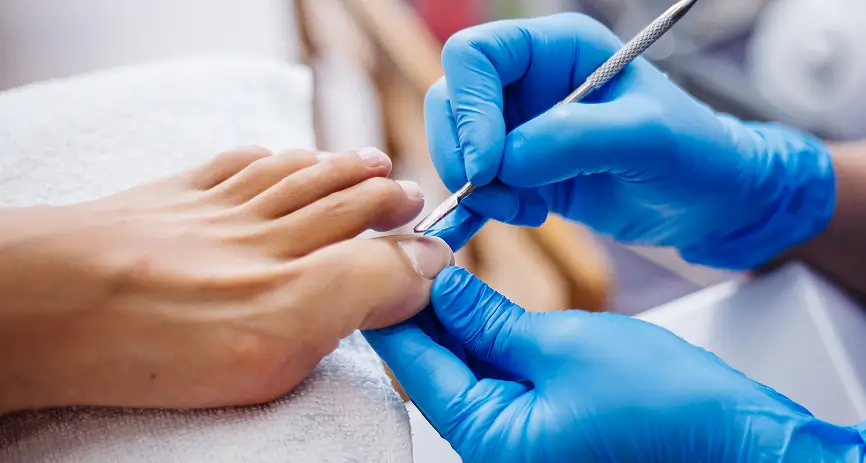
A dry pedicure uses an electric file (e-file) with specific diamond bits to gently exfoliate the cuticle and surrounding skin. Because the skin is not “puffy” with water, the technician can see exactly where the dead tissue ends and the healthy skin begins.

It is best for people with diabetes (soaking can increase infection risk), those with chronic polish chipping, or anyone looking for a “Russian-style” precision finish.

You can even ask for a Urea-based spray instead of water. It softens your skin chemically without the swelling effect of a tub.

Types of Pedicures

2. Paraffin Pedicures

We have all seen the wax bags, but do you know the thermodynamics behind them? A Paraffin treatment is a form of heat therapy that uses a petroleum-based wax to trap moisture in the skin.

The Specifics:

When your feet are dipped into the melted wax, it creates an occlusive seal. This raises the skin’s temperature, boosting blood circulation and opening the pores.

According to podiatric data, localized heat can increase blood flow to the extremities by up to 30%, which helps in the absorption of any serums applied underneath the wax.

For example, if you have deep “fissures” (cracks) in your heels, a technician should apply a high-potency Vitamin E oil before the wax. The wax acts as a physical barrier, forcing the oil deep into the dermis.

Types of Pedicures

3. Sports or CBD Pedicures

For marathon runners and gym-goers, your feet are likely a map of trauma, with bruised toenails, thick calluses on the ball of the foot, and tight arches. A standard “types of pedicures” list usually overlooks an athlete’s structural needs

What to look for:

A true Sports Pedicure should skip the flowery scents and focus on myofascial release. This involves a deeper-tissue massage focusing on the plantar fascia and Achilles tendon.

Many high-end salons now incorporate CBD-infused cooling gels. CBD is a non-psychoactive cannabinoid that interacts with receptors in the skin to reduce localized inflammation.

If you have “Runner’s Toe” (blackened nails), ensure your tech does not just paint over it. They need to thin the nail plate with an e-file to relieve pressure.

Types of Pedicures

4. Jelly and Acid-Peel Pedicures

Sometimes, a manual scrub is not enough to tackle years of buildup. This is where chemical exfoliants come into play.

Jelly Pedicures:

These use a powder that turns water into a dense, translucent jelly. It holds heat up to four times longer than plain water. This prolonged heat softens the keratin protein in your calluses, making them much easier to remove without aggressive scraping.

Glycolic Acid Peels:

If your heels feel like tree bark, look for a treatment that uses a small percentage of Glycolic or Lactic Acid patches.

  • The acid dissolves the “glue” (desmosomes) holding dead skin cells together.

Make sure to never do this if you have open cuts or have shaved your legs in the last 24 hours!

5. The Keratin Pedicure

If your nails look “chalky” or have white spots after you remove gel polish, you are likely dealing with keratin granulation. This is a sign of dehydration, not a fungus.

The Process:

Unlike other types of pedicures that focus on the skin, this one focuses on the nail plate. It involves a “waterless” technique using keratin-infused socks. These socks contain a cocktail of:
By keeping the feet in these socks for 15 minutes, the ingredients are forced into the nail bed, resulting in a healthy, pink glow that does not even need polish to look finished.

6. Stone Therapy

Basalt stone pedicures are often dismissed as a spa gimmick, but they serve a clinical purpose for those with poor circulation

The Process:

Basalt is a volcanic rock that retains heat exceptionally well due to its high iron and magnesium content. When a technician uses these stones to massage your calves, the heat helps to dilate blood vessels.

You will be surprised to learn that many studies on thermotherapy suggest that consistent heat application can reduce muscle soreness more than rest alone. This makes it a really great choice for those who spend all day standing in retail or healthcare.

Conclusion

Pedicures should not be chosen like nail colors. They are a form of preventive care for your nails, cuticles, and the feet that support you every single day.

When you understand the Types of Pedicures, you stop guessing and start choosing care that protects nail strength, keeps cuticles healthy, and prevents small issues from turning into painful ones.

As the saying goes, “Care for what carries you, and it will carry you longer.” Healthy feet demand attention and they quietly make life easier, step after step.

Disclaimer: Every treatment or procedure suggested on this blog may vary from guest to guest, as each person’s hair and skin are unique and may respond differently. Book an appointment at our salon for a free consultation before proceeding with any treatment or procedure.

FAQs

How often should I get a pedicure for nail and cuticle health?

Most people benefit from one every 3–4 weeks, depending on nail growth and dryness.

Minimal trimming is okay, but aggressive cutting increases infection risk. Gentle pushing is safer.
Not inherently. Damage usually comes from improper removal, not the gel itself.
A medical pedicure offers the safest and most effective long-term solution.

Related Blogs

12 Swedish massage benefits You Should Know 

Did you know that more than 1 in 4 adults experience chronic muscle pain or stiffness every single week, yet most of them rely only on painkillers or quick fixes?

A lot of people don’t realize that a simple, well-executed Swedish massage can address the root of that discomfort rather than just mask it.

Read More »
Scroll to Top
Book an Appointment