Kimera

Home > Blogs > How Pimple Facial Treatment Works on Your Skin

How Pimple Facial Treatment Works on Your Skin

You wake up, glance in the mirror, and feel that familiar frustration, another breakout right before an important meeting, event, or even a casual outing. You try covering it, treating it, or ignoring it, but it keeps coming back. Acne is not just a skin issue; it often affects confidence, mood, and even social interactions.

Dermatological studies show that around 85% of people experience acne at some point in their lives, and nearly 40% of adults continue to deal with it beyond their teenage years. Despite countless products in the market, many people struggle because they focus only on surface-level solutions.

This is where a pimple facial treatment becomes a game-changer. Instead of just masking the problem, it targets acne at its source, deep within your skin layers. But what exactly happens during this treatment, and why is it so effective? Let’s understand it in detail.

Why Pimple Facial Treatment Is Important

Acne develops gradually due to clogged pores, excess oil (sebum), bacterial growth, and inflammation. Many people unknowingly worsen their condition by over-washing, using harsh products, or picking their skin.

A professional acne-focused facial is important because it addresses multiple root causes at once. It is about correcting the skin’s internal imbalance.

For example, imagine someone working in a polluted urban environment. Dirt and toxins settle into pores daily, mixing with oil and dead skin cells. Even with regular washing, these particles remain embedded deep within the skin. Over time, this leads to blackheads, whiteheads, and inflammatory acne.

Additionally, research indicates that consistent professional skincare treatments can improve acne by 60-70% over time, especially when combined with proper home care. That’s a significant improvement compared to random product trials.

Another key benefit is preventing long-term damage. Untreated acne can lead to:

Permanent scars

Hyperpigmentation

Uneven skin texture

Early intervention through targeted facials can help you avoid these issues entirely.

Best Pimple Facial Treatment Steps

Understanding the process behind a pimple facial treatment helps you see why it delivers better results than DIY skincare. Each step is carefully designed to treat a specific layer or cause of acne.

Here’s how it works:

1. Deep Cleansing: Resetting Your Skin

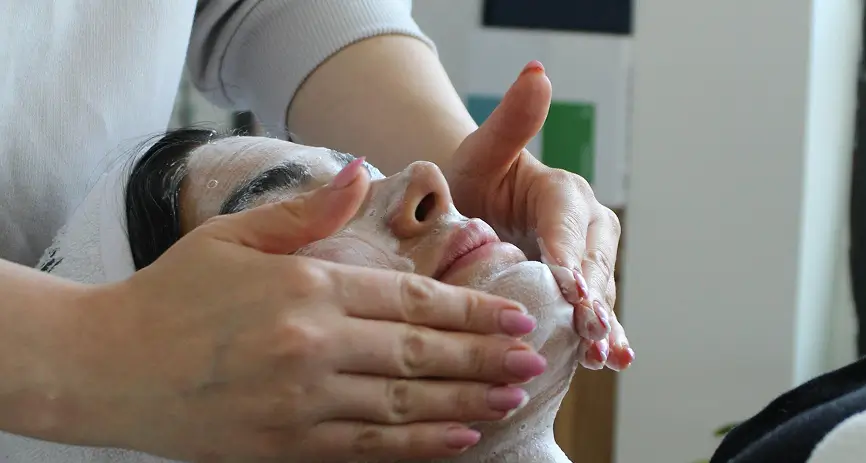
The treatment begins with a deep cleanse that removes dirt, oil, sweat, and product buildup from your skin.

Unlike regular cleansers, professional-grade products penetrate deeper and often contain acne-fighting ingredients like salicylic acid. This step ensures your skin is completely clean and ready for further treatment.

For instance, if you have been wearing sunscreen and makeup all day, residues can clog pores. Deep cleansing removes these impurities effectively, reducing the chances of future breakouts.

2. Exfoliation: Clearing the Blockage

Dead skin cells are one of the biggest contributors to acne. When they accumulate, they trap oil and bacteria inside pores. During exfoliation, chemical or enzyme-based solutions gently dissolve this layer. This process:

  • Unclogs pores
  • Improves skin texture
  • Enhances absorption of treatment products

For example, someone dealing with rough, bumpy skin due to clogged pores may notice immediate smoothness after this step. It also promotes cell turnover, which is essential for maintaining clear skin.

3. Steam Therapy: Preparing the Skin

Steam is applied to soften the skin and open up pores, making it easier to remove impurities.

Think of it like loosening dirt before cleaning a surface, it makes the next steps more effective and less harsh on the skin. This step is especially beneficial for individuals with stubborn blackheads or deep congestion.

4. Extraction: Removing Impurities Safely

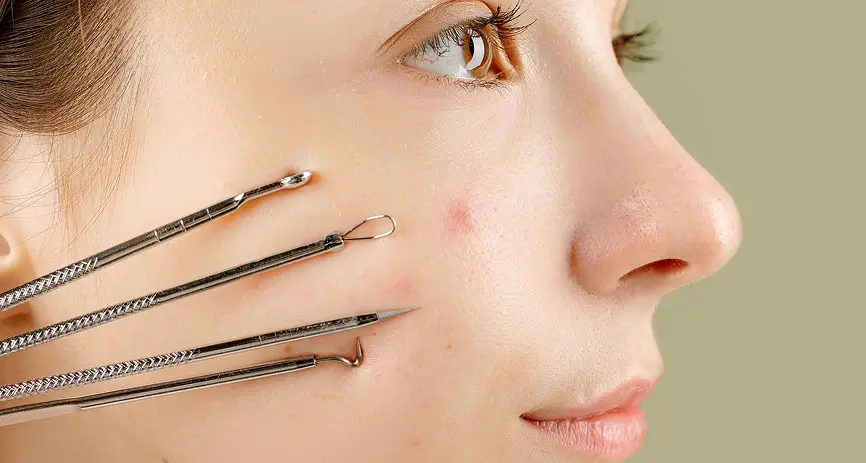
Extraction is one of the most critical steps. Trained professionals use sterile tools to remove blackheads, whiteheads, and clogged oil from pores.

At-home extraction often leads to:

  • Skin damage
  • Scarring
  • Spread of bacteria

In contrast, professional extraction is controlled and precise.

For example, someone who frequently squeezes pimples at home may end up with dark spots and scars. Professional extraction avoids these issues while effectively clearing the pores.

5. Anti-Bacterial Treatment: Eliminating Acne Triggers

Once the pores are cleared, antibacterial products are applied to target acne-causing bacteria.

These may include ingredients like:

  • Benzoyl peroxide
  • Tea tree oil
  • Sulfur

This step not only treats existing acne but also prevents new breakouts from forming. For instance, if your acne is primarily caused by bacterial buildup, this step significantly reduces recurrence.

6. Soothing Mask: Reducing Inflammation

After extractions, the skin can become slightly sensitive. A calming mask is applied to soothe irritation and reduce redness. Ingredients such as aloe vera, green tea, or clay are used based on your skin type.

For example, someone with inflamed acne will benefit from anti-inflammatory masks that cool and calm the skin instantly.

7. Hydration and Protection: Locking in Results

The final step involves moisturizing and applying sunscreen.

This is crucial because:

  • Hydration prevents excess oil production
  • Sunscreen protects healing skin
  • Proper care ensures long-lasting results

Many people skip moisturizers thinking it worsens acne, but dehydrated skin actually produces more oil, leading to more breakouts.

How It Works Beneath the Skin

While the visible results are impressive, the real impact happens at a deeper level.

A well-done facial helps:

  • Regulate oil production
  • Improve blood circulation
  • Boost collagen production
  • Accelerate healing

Improved circulation ensures that your skin receives more oxygen and nutrients, helping it repair faster.

For example, after a facial, you might notice a natural glow. This is a result of better blood flow and skin function. Over time, regular treatments can lead to fewer breakouts, smaller pores, smoother texture and even skin tone.

Conclusion

Acne can feel like an endless cycle, one breakout fades, another appears. But the solution is the right treatment approach.

A pimple facial treatment works by addressing acne from multiple angles such as cleansing, exfoliating, extracting, treating, and protecting your skin. It goes beyond surface-level fixes and focuses on long-term skin health.

If you are tired of trial-and-error skincare and want visible, lasting results, professional treatments can make a real difference. Take the first step toward clearer, healthier skin with Kimera. Our expert-led treatments are customized to your skin type, ensuring effective and safe results. Book your appointment today and give your skin the care it truly deserves.

Disclaimer: Every treatment or procedure suggested on this blog may vary from guest to guest, as each person’s hair and skin are unique and may respond differently. Book an appointment at our salon for a free consultation before proceeding with any treatment or procedure.

Trending Blogs

FAQs

How often should I get a pimple facial treatment?
It’s recommended every 3–4 weeks, depending on your acne severity and skin type.
You may feel slight discomfort during extraction, but it is generally manageable and done carefully.
It helps reduce mild scars and marks over time, but deeper scars may need advanced treatments.
You may notice improvement after the first session, but consistent treatments deliver the best long-term results.

Related Blogs

Scroll to Top
Book an Appointment